Trans Bhutan Trail: Haa to Thimphu Journey
detail informations
A Brief Description
07 Nights/08 days in Bhutan
The journey along the Trans Bhutan Trail from Haa to Thimphu offers an immersive blend of nature, culture, and history, unfolding through some of western Bhutan’s most scenic and least-traveled landscapes. Beginning in the tranquil Haa Valley, the trail gently ascends through pristine forests of blue pine, oak, and rhododendron, passing remote villages where traditional Bhutanese life continues largely unchanged.
As you make your way toward Paro, the route reveals sweeping panoramas of both the Haa and Paro valleys. One of the most rewarding highlights is crossing the Kaleyla Pass (around 3,900 meters), where, on clear days, you are greeted with breathtaking views of the Himalayan range stretching across the horizon. Prayer flags flutter in the mountain breeze, adding a spiritual dimension to the already awe-inspiring landscape.
Descending into Paro, the trail connects you with Bhutan’s rich heritage, from ancient farmhouses to sacred temples. The journey then continues toward Thimphu, offering a gradual transition from rural serenity to the vibrant rhythm of Bhutan’s capital. In Thimphu, explore cultural landmarks, traditional arts, and modern Bhutanese life coexisting harmoniously.
No journey in this region is complete without the iconic hike to Paro Taktsang. Perched dramatically on a cliffside, this sacred monastery is both a spiritual and physical highlight, rewarding trekkers with unforgettable views and a deep sense of accomplishment.
This Haa to Thimphu journey along the Trans Bhutan Trail is more than a trek—it is a passage through Bhutan’s soul, where landscapes, legends, and local encounters come together in a truly enriching experience.
-
Scenic Trek from Haa Valley
Begin in the serene Haa Valley, one of Bhutan’s least-visited regions, surrounded by pristine forests, traditional farmhouses, and dramatic mountain landscapes. -
Crossing High Mountain Passes
Experience breathtaking views as you traverse passes like Kaleyla, adorned with colorful prayer flags and panoramic vistas of the Himalayas. -
Ancient Trails and Heritage Paths
Walk along restored sections of the historic Trans Bhutan Trail, once used by pilgrims, traders, and messengers, offering a deep sense of Bhutan’s past. -
Remote Monasteries and Temples
Visit hidden monasteries and sacred sites along the way, where you can witness monks in daily rituals and feel the spiritual essence of Bhutan. -
Rich Biodiversity and Forests
Trek through dense blue pine, rhododendron, and oak forests, home to diverse birdlife and occasional sightings of Himalayan wildlife -
Authentic Village Encounters
Interact with local communities, experience traditional Bhutanese hospitality, and gain insight into rural lifestyles largely unchanged for generations.. -
Arrival in Thimphu
Conclude your journey in Bhutan’s vibrant capital, where ancient traditions meet modern life—explore landmarks, markets, and cultural sites as a rewarding finale to the trek.
Day 01. Arrival to Paro Airport – Haa
The flight into Paro on our national carrier, Druk Air, is a befitting introduction to the spectacular beauty of our country. In clear weather, magnificent views of the world’s highest peaks like Gangkar Puensum, give way to the lush green Paro valley as you land. Your Bhutanese escort from Authentic Bhutan Tours- For Your Bhutan Experience! will warmly welcome & greet you on arrival, by our guide and driver. You will drive to Paro town to have tea/coffee. Then we will drive to Haa over Chelela pass, a mountain pass which at 3,810 meters (12,500 feet) above sea level is the highest paved road in Bhutan. Evening at leisure. Dinner and overnight stay at Haa hotel or Camping at Haa.
Day 02. Haa Stay
After our breakfast, we will do sightseeing at Haa Valley like visiting to Lhakhang Karpo – the white temple and Lhakhang Nagpo – the black temple. Stroll around the Haa valley. Lunch at Haa town. After lunch we will make a hike in and around Haa valley. Dinner and overnight stay at Haa Hotel or Camping.
Day 03. KATSHO VILLAGE – NGOPA VILLAGE
After breakfast at the hotel, you will be transferred to Katsho, where you will begin your first day of trekking on the ancient Trans Bhutan Trail. For generations, the people of Haa followed the route you will walk today to trade with the Parops in the neighbouring valley.
The age-old trail follows the beautiful Haa river as it gently rises out of the Katsho Valley, passing through yak pastures before heading into forests of pine and rhododendron. As you traverse the Katsho Valley, look out for cliff-edge Bjungneydra Taktsang (monastery), also known as “The Mini Taktsang”, and the sky burial site of Kungkarpo. The trail continues to climb until it reaches the Pass at Kaleyla, where it crosses the ridge trail between Chelela and Sagala.
At Kaleyla, you will enjoy stunning views of the Himalayan range to the north, including on the clearest days vistas of Mount Jhomolhari (7,326m/24,036ft), Mount Jichudrakey (6,662m/21,860ft) and Mount Tsherimgang (6,532m/21,431ft). You will be provided with a picnic lunch during this stop.
From Kaleyla, the trail descends through rhododendron and bamboo forest into the Paro Valley.
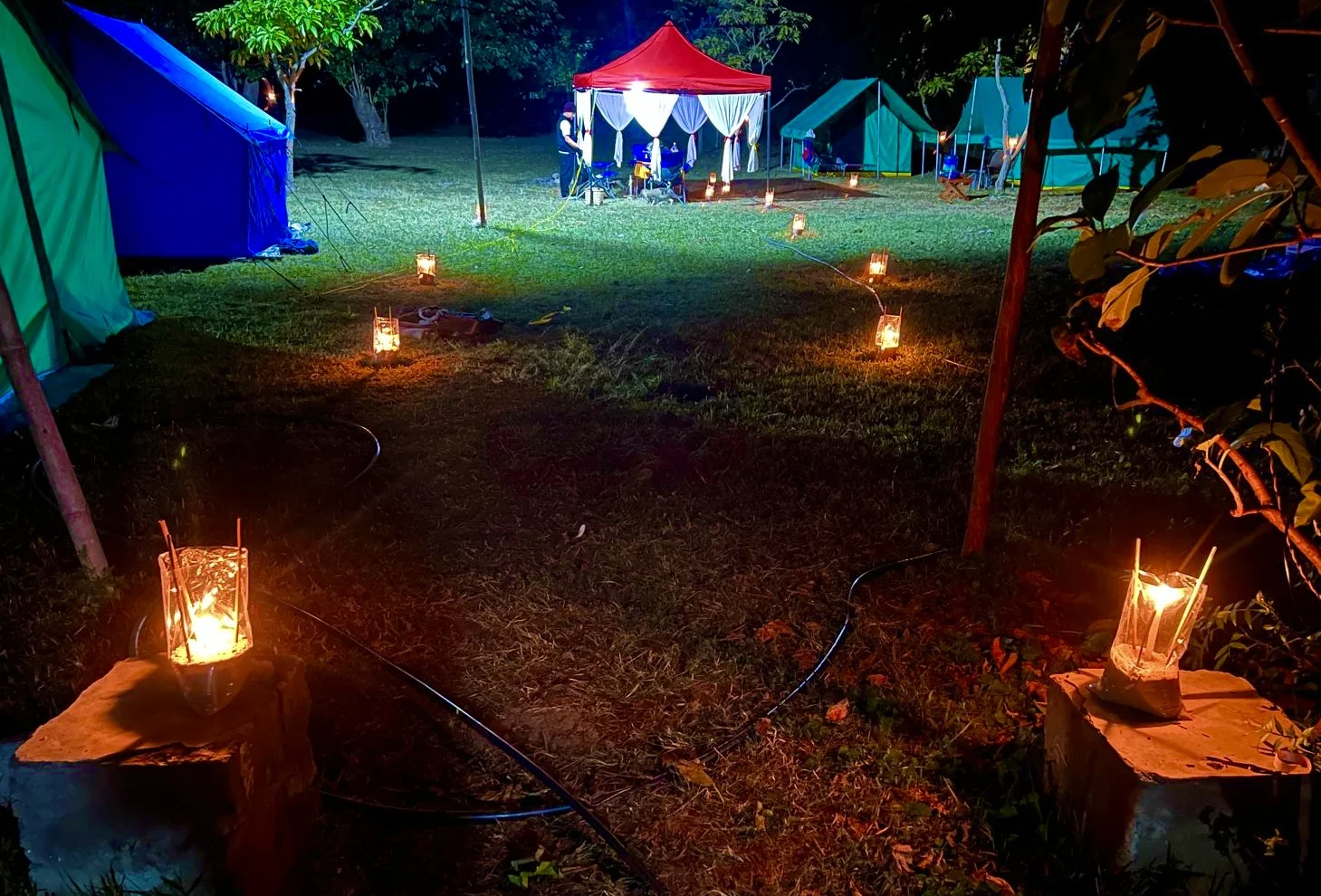
On arrival in the Ngopa gewog of Paro, if time permits, you will have the chance to visit Kichu Lhakhang (temple). Said to date from the 7th century and built by Songtsen Gampo, it is one of Bhutan’s oldest religious sites. Kichu Lhakhang is home to an original statue of Buddha, which is one of the most sacred sculptures in the region; and the two orange trees inside the monastery courtyard are said to bear fruit year-round. Dinner and overnight stay at the Camp.
Trek Distance: 14.3 kilometres (8.9 miles)
Estimated Trek Duration: 6 – 7 hours
Elevation Gain: 895 metres (2,936 feet)
Elevation Loss: 1,245 metres (4,085 feet)
Starting Elevation: 2,772 metres (9,095 feet)
Ending Elevation: 2,375 metres (7,792 feet)
Maximum Elevation: 3,684 metres (12,087 feet)
Day 04. NGOPA VILLAGE – DAMCHENANG VILLAGE
After breakfast this morning, rejoin the Trans Bhutan Trail heading east. The trail rises gently from Lamgong Village as it traverses the sprawling rice paddies of the Paro Valley, before carving around the northern ridge and descending into the traditional village of Dopshari. Lunch will be a picnic lunch. After lunch, head out onto the trail for one last time for the climb up to Upper Dopshari (Damchenang), where you will end your hike with stunning views out over the Paro Valley. Dinner and overnight stay at the camp.
Trek Distance: 14.92 kilometres (9.27 miles)
Estimated Trek Duration: 7 – 8 hours
Elevation Gain: 758 metres (2, 487 feet)
Elevation Loss: 301 metres (988 feet)
Starting Elevation: 2,375metres (7,792 feet)
Ending Elevation: 2,830 metres (9,285 feet)
Maximum Elevation: 2,830 metres (9,285 feet)
Day 05. DAMCHENANG VILLAGE – TSALUNANG VILLAGE
After breakfast today, rejoin the Trans Bhutan Trail heading east towards Tsalunang. Today’s trek begins with a climb from Upper Dopshari through community reforestation projects, small farming villages, into deep forest and along pristine rivers. You may well find the perfect spot to hoist some lungdhar (prayer flags) on your way.
After a picnic lunch at the Pass at Jela, if time permits, you may wish to make the small detour to visit Jela Dzong (fortress). Built on the site where Zhabdrung Ngawang Namgyel is said to have encountered the protective deity Pal Yeshey Goenpo on his pilgrimage to Paro, its main relics are the statues of Du Sum Sangye (Buddha of the Past, Present and the Future). It is believed that the Buddha once faced northwards but then miraculously turned itself to face southwest towards Paro.
From Jela, the trail drops gently down into the Tsalunang Valley, passing through forests of blue pine and rhododendron on its way. Bird watching enthusiasts will want to keep an eye out for some of Bhutan’s beautiful species on this section. Dinner and overnight stay at the Tshaluna Camp.
Trek Distance: 12.81 kilometres (7.96 miles)
Estimated Trek Duration: 7 – 8 hours
Elevation Gain: 770 metres (2,526 feet)
Elevation Loss: 812 metres (2,664 feet)
Starting Elevation: 2,830 metres (9,285 feet)
Ending Elevation: 2,777 metres (9,111 feet)
Maximum Elevation: 3,473 metres (11,395 feet)
Day 06. TSALUNANG VILLAGE – BUDDHA DORDENMA
After breakfast at camp, continue your hike east towards Bhutan’s capital city, Thimphu. With elevations ranging between 2,248 metres (7,375 feet) and 2,648 metres (8,688 feet) above sea level, Thimphu is the fifth highest capital city in the world by altitude. It is also the only capital city in the world without any traffic lights. The city offers a unique blend of the modern world with Bhutanese tradition.
From Tsalunang, the trail climbs through forests of fir, blue pine, dwarf rhododendron and through yak pastures before it reaches the Pass at Pumola, which, at 3,994 meters (13,104 feet) above sea level, is the highest point on the Trans Bhutan Trail. Herders from Punakha would once bring their cattle here over the summer to escape the heat of the lower-lying Punakha valley.
After enjoying a picnic lunch and excellent mountain views at Pumola Thabzakha, rejoin the trail as it meanders down through picturesque meadows, offering stunning views of the Thimphu Valley from the long ridge thereafter. From here, you will be able to make out your route for the next few days in the distance beyond Thimphu. Towards the end of the day, you will arrive at Buddha Point, home to Thimphu’s most recognized landmark, the Buddha Dordenma. Guarding the entry to the Thimphu Valley, this 51 metres (167 feet) gilded bronze statue is filled with 125,000 miniature statues and sits atop a three-storey base housing a chapel and thousands of donated statuettes. The statue was commissioned to mark His Majesty the Fourth King of Bhutan, Jigme Singye Wangchuck’s 60th birthday.
Dinner and overnight stay at the camp or at the hotel at Thimphu.
Trek Distance: 17.53 kilometres (10.89 miles)
Estimated Trek Duration: 7 – 8 hours
Elevation Gain: 1,197 metres (3,927 feet)
Elevation Loss: 1,373 metres (4,505 feet)
Starting Elevation: 2,777 metres (9,111 feet)
Ending Elevation: 2,609 metres (8,560 feet)
Maximum Elevation: 3,994 metres (13,104 feet)
DAY 6. THIMPHU – PARO.
After the breakfast at the hotel, we will visit Memroial Chhorten, built in mememory of our 3rd king Jigme Dorji wanhchuck, who is also known as the Father of Modern Bhutan. Visit Takin Perserve, to see the national animal of Bhutan. Then BBS tower and from here we hike to Wangditse Lhakhang, where we can see the valley so beautifully. See the Thimophu Dzong from the view point and lunch at Thimphu. After lunch, we drive to Paro. Stroll around Paro town. Dinner and overnight stay at hotel Paro.
DAY 7. PARO CITY – TIGER’S NEST MONASTERY – PARO CITY.
After breakfast this morning, head northwest out of Paro by private vehicle for a visit to the iconic Taktshang Goemba, more commonly known as the ‘Tiger’s Nest Monastery’. Precariously perched on a sheer cliff face 900 metres (2,950 feet) above the Paro Valley floor, the Tiger’s Nest is undoubtedly Bhutan’s most famous religious building. It is built on the site where Guru Rinpoche is said to have arrived on the back of a tigress when he came to subdue the local demon, Singye Samdrup. After subduing the demon, Guru Rinpoche is said to have meditated in a cave here for three whole months. Once you have reached the Tiger’s Nest, you will have a chance to visit the cave where Guru Rinpoche meditated, as well as the extensive network of Lhakhangs (chapels) which house images, murals, chortens, and a holy spring. You may also wish to make a diversion to the attractive Machig-phu Lhakhang (temple) on the way back down to the access road. Lunvh will be served at Taktshang cafeteria. On the way to hotel, we will visit Kyichu Lhkahang, one of the oldest temple in Bhutan. Stroll aroudn Paro to do some last-minute shopping for souvenirs. Dinner and ovenright stay at hotel Paro.
Trek Distance: 9.15 kilometres (5.69 miles)
Estimated Trek Duration: 6 – 7 hours
Elevation Gain: 724 metres (2,375 feet)
Elevation Loss: 724 metres (2,375 feet)
Starting Elevation: 2,584 metres (8,478 feet)
Ending Elevation: 2,584 metres (8,478 feet)
Maximum Elevation: 3,152 metres (10,342 feet)
DAY 8. PARO – AIRPORT (DEPARTURE)
Breakfast at the hotel and then drive to Paro International Airport for your onward flight. We wish you a safe and pleasant flight. Our guide and driver will bid you farewell here at the airport.
Start planning your tailor-made Dream Holiday to Bhutan – The Land of happiness!
In order to experience the best and rewarding fulfillment clients must plan in advance the different logistics that you have in your minds before actually venturing into the world of trips. You might have wishes and hopes for which you need to plan.
The following information will help you to plan your dream trip to Bhutan.
1. When and how to visit Bhutan?
Choose your traveling date like Arrival/Departure date. You also need to choose entry/depart Bhutan via AIR or LAND.
By Air: Druk Air, the national carriers is the only service operator in the kingdom and operates several flights per week from Bangkok (Thailand), Delhi & Kolkata (India) and Kathmandu (Nepal) to Paro (Bhutan). The Paro International Airport is located about an hour and a half drive from Thimphu, the capital city of Bhutan.
Paro airport is daylight restricted, and the flights are totally dependent on the weather. As a result, sometimes flights are delayed. It is therefore a good idea to keep at least 24 hours of transit time for connecting flights out of Paro. You might also want to consider traveling on a non-restricted ticket so that if you miss a connecting flight, you can be rerouted or seated on the first available carrier.
Sometimes flights into Paro are disrupted because of unfavorable weather conditions. If this occurs, the flight will stop for the night at the transit airport. To be prepared, you may want to carry your essential personal items in your carry-on luggage.
By Land: Phuentsholing, a Bhutanese town in the southwest has road access to India. It is located about 170 km from the Indian domestic airport at Bagdogra, West Bengal. Phuentsholing is about 172 km from Thimphu the capital city of Bhutan and is about 6hours drive distance.
2. What are your itineraries?
All the tours can be customized and extended as per our valued client’s requirements. There are sample itineraries for your kind reference and it will give you some general idea of the likely trip scheduled.
Complete the tour request form and submit it to us. Send us correct name list. We will send you the flight reservation status via email.
After confirming your reservation, we need the scanned copy of member’s passport.
Please remit us full payments and send us the copy of remittance paper via email. Visa will not be accepted without full payment.
We will send you the flight ticket copy and Visa Clearance Copy prior to your departure to Bhutan via email. You need to print out and carry along with you.
Start packing and looking forward to have a memorable trip in the LandThunder Dragon, DrukYul.
Hot stone bath (Dhotsho) is a traditional bath of Bhutan, where a tradition of heating up stones and then soaking in the water that is in turn heated by the stones. This is also a curative method and is used throughout the country We Bhutanese belief that this bath has so much of medicinal benefits. Some diseases are curable-like joint pains, hypertension, stomach disorder, arthritis and many other minor
diseases. Especially for the old age, where we have lots of body pains, joints pains helps a lot by this Hot Stone Bath (Dhotsho).
I think, the minerals in the rocks have certain chemicals, which can cure certain disease of our body. Hot stone bath has no side effects. It is in its pure natural form. We can organize the hot stone bath during your stay in Bhutan.
The cost for experiencing this will be USD 20 per person.
The Bhutanese textiles are rich, vibrant, and colorful and are a complex art form as well as an integral part of the Bhutanese culture. This Bhutan weaving experiences will give you an insight about the rich textiles in Bhutan. You can sit one of the handlooms of Bhutan and weave your self practically. We promise that you will really enjoy this with great satisfaction in your life.
We will also see or learn the natural coloring and dyeing. You can bring your own materials like handkerchief to dye and color. So visit Bhutan and experience it practically by yourself.
So to arrange this you need to pay extra payment of USD 50 per person.
Folk Performing Arts & Music in the Himalayan Kingdom of Bhutan. We have Cultural Program Performing groups, which they will perform like Traditional folk songs, dances and keeps original tunes and dances alive. Moreover, new choreography for some traditional and regional songs is sometimes developed.
The troupe also performs mask dances that have historical and spiritual significance.
The program will be about 1hr program and the cost will be USD 100/program. Usually we organize this in the evening before your dinner. But any time of the day can be organized.
Tiger’s Nest is most visited spot in Bhutan and it is much awaited by every tourist who visits Bhutan to climb to Tiger’s Nest.
It takes about 2 hrs 30mins up steep climb through the forest of pine, oak and Rhododendron. However you can ride the horse and climb till the Taktshang cafeteria.
The price will be approximately USD 12-15. So we can arrange the horses and let us know.

