When travelers think of Bhutan, iconic destinations such as Paro, Thimphu, and Punakha often come to mind. Yet beyond these well-known valleys lies a region that many consider the soul of the kingdom—Eastern Bhutan. Untouched by mass tourism and rich in ancient traditions, Eastern Bhutan offers a rare opportunity to experience the country’s authentic way of life.
From centuries-old weaving traditions and sacred monasteries to remote villages where customs remain unchanged for generations, Eastern Bhutan invites travelers to step into a world where culture is not preserved for visitors—it is simply a way of life.
Why Visit Eastern Bhutan?
Eastern Bhutan is the cultural heartland of the country. Unlike the more frequently visited western regions, the east remains largely undiscovered by international travelers. Here, daily life revolves around agriculture, traditional crafts, community festivals, and spiritual practices that have been passed down through centuries.
Traveling through Eastern Bhutan allows visitors to:
- Experience authentic village life
- Meet master artisans and craftspeople
- Explore remote monasteries and sacred sites
- Witness traditional weaving and textile production
- Enjoy breathtaking mountain landscapes free from crowds
- Gain deeper insights into Bhutanese culture and spirituality
For travelers seeking meaningful cultural immersion, Eastern Bhutan offers one of the most rewarding journeys in the Himalayas.
Trashigang: Gateway to Eastern Bhutan.
The journey into Eastern Bhutan often begins in Trashigang, the largest district in the east. Perched on steep hillsides overlooking dramatic valleys, Trashigang serves as an important cultural and commercial center.
Visitors can explore traditional markets, interact with local communities, and visit ancient temples that remain active centers of worship. The district also provides access to some of Bhutan’s most remote and fascinating regions.
One of the highlights is witnessing the unique lifestyle of the eastern Bhutanese people, known for their hospitality, resilience, and strong cultural identity.
Trashi Yangtse: Home of Bhutan’s Master Woodcarvers.
Nestled amidst forested mountains, Trashi Yangtse is renowned for its traditional woodcraft. Generations of artisans have perfected the intricate art of wood carving, creating everything from religious statues and temple decorations to beautifully crafted household items.
The district is also home to the famous Institute for Zorig Chusum, where students learn traditional Bhutanese arts and crafts.
Visitors can observe artisans at work and gain a deeper appreciation for the craftsmanship that continues to play an important role in Bhutanese society.
Mongar: The Cultural Crossroads.
Mongar offers a fascinating blend of tradition and modern development. The winding roads leading to the district reveal spectacular views of deep valleys, pine forests, and terraced farms.
The region’s villages are excellent places to experience traditional Bhutanese architecture and rural life. Visitors often enjoy walking through villages where farmers continue age-old agricultural practices and families maintain strong ties to their cultural heritage.
Mongar also serves as a gateway to several important spiritual sites and remote communities.
Lhuentse: The Birthplace of Bhutan’s Royal Family.
Among all eastern districts, Lhuentse holds a special place in Bhutanese history and culture. It is widely recognized as the ancestral homeland of Bhutan’s monarchy and remains one of the most culturally preserved regions in the country.
The district is particularly famous for its exquisite handwoven textiles. Skilled weavers create intricate patterns using techniques passed down through generations. The textiles produced here are considered among the finest in Bhutan and are highly valued throughout the kingdom.
A visit to Lhuentse offers travelers a unique opportunity to witness weaving as both an art form and a living cultural tradition.
The Art of Bhutanese Textiles
Eastern Bhutan is a paradise for textile enthusiasts. Each region has its own distinctive weaving style, patterns, and techniques.
Women often spend months creating a single piece of fabric, carefully weaving intricate designs that carry cultural and symbolic significance. Traditional textiles are used during religious ceremonies, festivals, weddings, and important social occasions.
Travelers can visit family homes, weaving centers, and local cooperatives to see firsthand how these beautiful creations are made.
Beyond being works of art, these textiles tell stories of identity, heritage, and community.
Village Life: The Heart of Authentic Bhutan
Perhaps the greatest treasure of Eastern Bhutan is its people.
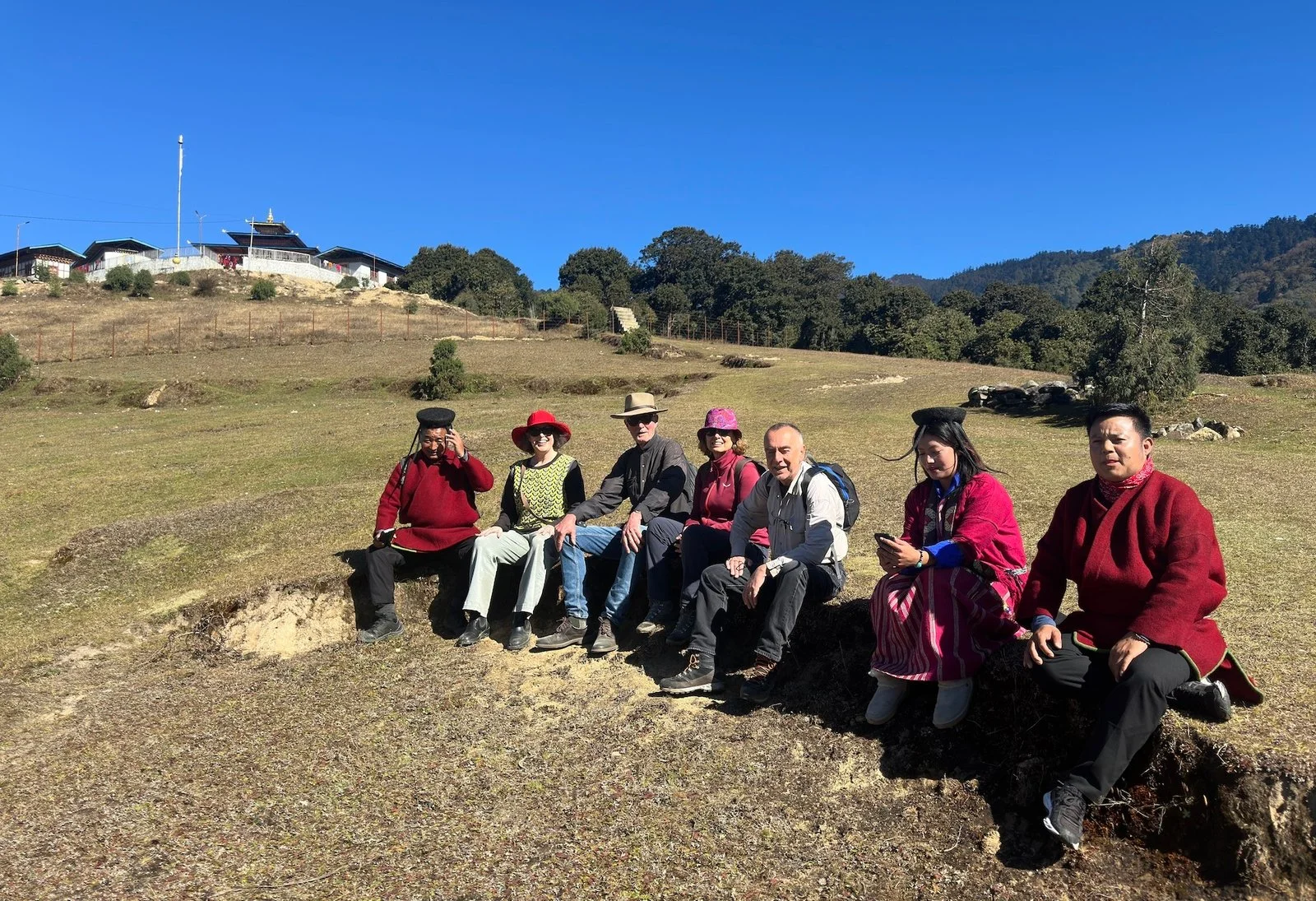
Many villages remain largely untouched by modern tourism. Visitors are welcomed into communities where hospitality comes naturally and cultural traditions remain strong.
A typical day may include:
- Sharing tea with local families
- Watching farmers work in the fields
- Learning traditional cooking methods
- Participating in village activities
- Listening to stories passed down through generations
These genuine interactions often become the most memorable part of a journey through Bhutan.
Festivals and Spiritual Traditions
Eastern Bhutan hosts numerous religious festivals throughout the year. These celebrations bring communities together through sacred mask dances, music, rituals, and prayers.
Unlike larger festivals that attract significant tourist numbers, eastern festivals often feel more intimate and authentic. Visitors can observe local traditions while gaining insight into the spiritual values that continue to shape Bhutanese society.
Monasteries and temples scattered throughout the region further enrich the experience, offering moments of reflection amid stunning natural surroundings.
A Journey Beyond Tourism
Traveling through Eastern Bhutan is not simply about visiting places—it is about connecting with a way of life that remains deeply rooted in tradition.
The region offers a rare chance to experience Bhutan beyond the typical tourist trail. Whether you are interested in culture, spirituality, textiles, photography, or meaningful human connections, Eastern Bhutan provides an unforgettable journey into the heart of the kingdom.
Explore Eastern Bhutan with Authentic Bhutan Tours
At Authentic Bhutan Tours, we specialize in immersive cultural journeys that reveal the true essence of Bhutan. Our carefully designed Eastern Bhutan itineraries connect travelers with local communities, master artisans, sacred sites, and the living traditions that make this region so special.
Join us on a journey through Eastern Bhutan and discover one of the Himalayas’ last truly authentic cultural destinations.
Eastern Bhutan is not just a place you visit—it is a place you experience, remember, and carry with you long after the journey ends.

