Introduction: The Dragon Kingdom Calls—But Which Way?
Bhutan isn’t like other Himalayan destinations. Perched between China and India, this kingdom of thunder dragons has crafted a tourism philosophy that puts happiness—not profit—at the center of everything travelers experience. But here’s the dilemma: when you’re planning a Bhutan tour, two distinct paths emerge. Should you pursue Bhutan cultural tours focused on monasteries, dzongs, local life, and spiritual immersion? Or should you commit to Bhutan trekking tours that test your legs, elevate your heart rate, and test your mountain endurance?
This isn’t a trivial choice. The difference between Bhutan cultural tours and Bhutan trekking tours shapes everything—your daily schedule, physical demands, accommodation style, what you eat, who you meet, and most importantly, what you’ll carry home in your soul.
After years of helping travelers design their perfect Bhutan journey, Authentic Bhutan Tours has seen every combination of this decision. Couples torn between Bhutan cultural tours and adventure. Families wondering if Bhutan trekking tours are too intense. Solo travelers asking: does Bhutan offer both experiences? The answer is yes—but choosing wisely changes everything.
Let’s cut through the noise and compare Bhutan cultural tours vs trekking tours side by side.

What Are Bhutan Cultural Tours?
Bhutan cultural tours are journeys designed to immerse you in the daily life, spirituality, history, and traditions of the Bhutanese people. When you book Bhutan cultural tours, you’re signing up for:
Core Bhutan Cultural Tours Activities:
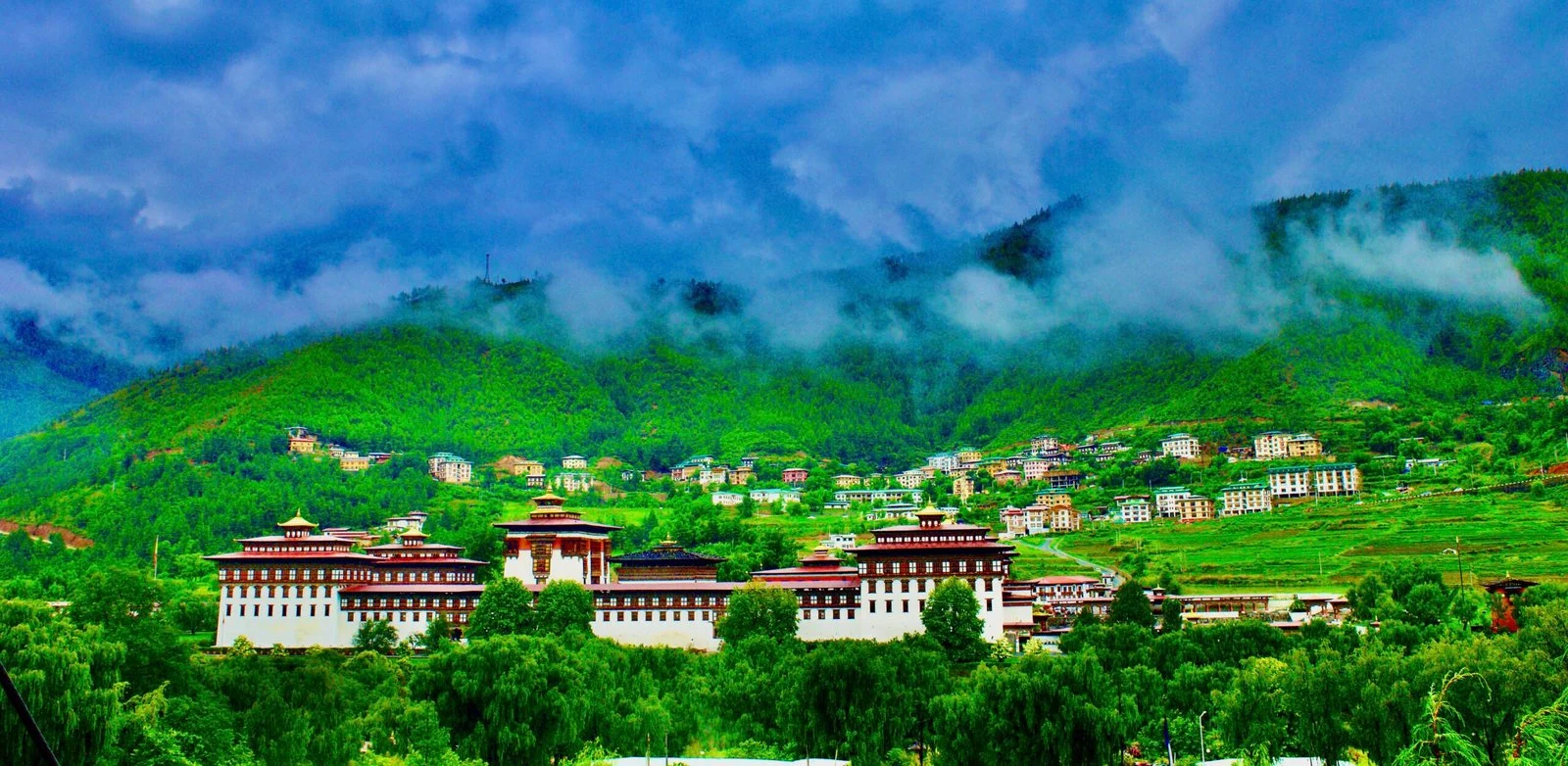
Visits to dzongs—these ancient fortress-temples blend spiritual and administrative power. You’ll walk through Punakha Dzong, regarded as one of the most architecturally stunning structures in the Himalayas. You’ll see monks in maroon robes conducting prayers, prayer wheels spinning with mantras, and walls covered in thangka paintings depicting Buddhist teachings.
Monastery hikes are included in most Bhutan cultural tours, but they’re gentler than mountain treks. The famous Tiger’s Nest Monastery in Paro Valley remains the centerpiece of Bhutan cultural tours. This 3,120-meter clifftop temple takes 2-3 hours round trip to reach on foot, but the pace is leisurely, with rest spots and teahouses along the way.
Festivals form the emotional heart of many Bhutan cultural tours. If your dates align with Paro Tshechu, Thimphu Tshechu, or Punakha Drubchen, you’ll witness locals in traditional Gho and Kira attire, mask dancers performing sacred rituals, and the entire community gathering in a spiritual celebration that has continued for centuries.
Village stays and farmhouse dinners are standard in Bhutan cultural tours. You’ll sleep in a traditional wooden farmhouse, share meals with a local family, learn to cook Ema Datshi (the national dish of chili and cheese), and hear stories about raising livestock at high altitude.
Physical Demands of Bhutan Cultural Tours:
Bhutan cultural tours are designed for almost everyone—seniors, families with children, people managing chronic conditions, and first-time international travelers. Most Bhutan cultural tours involve 2-4 hours of walking daily, with easy-to-moderate difficulty. You’ll drive between destinations (with spectacular mountain scenery), and there’s plenty of time for rest, shopping, and contemplation.
Best Itinerary Length for Bhutan Cultural Tours:
5-7 days is ideal for Bhutan cultural tours. This gives you time to explore the western cultural heartland: Paro Valley, Thimphu, and Punakha. Longer Bhutan cultural tours (8-10 days) extend into central Bhutan—the Bumthang region, which is less touristy and reveals deeper cultural layers.

What Are Bhutan Trekking Tours?
Bhutan trekking tours are multi-day hiking expeditions through Bhutanese mountains, forests, and remote valleys. Unlike Bhutan cultural tours, which prioritize temples and towns, Bhutan trekking tours emphasize altitude, endurance, wilderness camping, and the raw beauty of the Himalayas.
Core Bhutan Trekking Tours Activities:
High-altitude passes define serious Bhutan trekking tours. The Druk Path Trek stays around 4,000 meters, offering ridge-line walking and expansive mountain vistas. The Lingshi Laya Trek reaches 4,500 meters and takes you through Chomolhari Base Camp—a sacred mountain in Tibetan Buddhism. The legendary Snowman Trek, regarded as one of the world’s toughest treks, pushes to 5,400 meters across 24 days of continuous hiking.
Camping under Himalayan stars is central to Bhutan trekking tours. Unlike Bhutan cultural tours with hotel stays, multi-day Bhutan trekking tours include nights in teepees or mountain tents with all meals prepared by your trekking crew. You’ll eat hearty dal, rice, noodles, and dried vegetables while wind howls across alpine meadows.
Yak herder encounters and remote village meetings happen naturally during Bhutan trekking tours. You’re walking ancient trade routes, so you’ll cross paths with shepherds, nomadic families, and villagers living without electricity or paved roads. These interactions feel organic, not staged.
Flora and fauna immersion comes with Bhutan trekking tours. Depending on season and elevation, you might spot Himalayan black bears, snow leopards (rare), musk deer, birds of paradise, and rhododendron forests that ignite mountainsides in spring.
Physical Demands of Bhutan Trekking Tours:
Bhutan trekking tours require genuine fitness. Daily hiking ranges from 4-8 hours at elevations where oxygen is thin. You’ll experience altitude sickness (AMS) risk above 4,000 meters. Expect sore legs, blistered feet, and nights where sleep is shallow because your body is working to acclimatize. Early mornings (5-6 AM starts) are standard.
Best Itinerary Length for Bhutan Trekking Tours:
5-7 days for moderate Bhutan trekking tours (Druk Path Trek, Bumdrak Trek). 10-14 days for challenging Bhutan trekking tours (Lingshi Laya, Jomolhari Trek). 24 days for elite Bhutan trekking tours (Snowman Trek). Most trekkers choose 7-10 days as the sweet spot.

Head-to-Head Comparison: Bhutan Cultural Tours vs Trekking Tours
| Factor | Bhutan Cultural Tours | Bhutan Trekking Tours |
|---|---|---|
| Daily Walking | 2-4 hours, flat/gentle slopes | 4-8 hours, steep elevation gain |
| Accommodation | Hotels, guesthouses, farmstays | Mountain tents, teepees, lodges in remote areas |
| Fitness Required | Beginner to intermediate | Intermediate to advanced |
| Altitude Sickness Risk | Minimal (most stay below 3,500m) | Significant (4,000m-5,400m) |
| Best For | Families, seniors, spirituality seekers | Fitness enthusiasts, adventure junkies, nature purists |
| Cost Range | $200-400 per day | $250-500+ per day |
| Season Flexibility | All year, best Mar-May & Sep-Nov | Sep-Nov only (most treks) |
| Guides & Group Size | 1 guide, groups of 4-15 | 1 guide + porter team, groups of 4-12 |
| Meals | Hotel restaurants, local cuisine | Camp food cooked on-site |
| Highlights | Monasteries, festivals, dzongs, villages | Mountains, passes, wildlife, solitude |
| Emotional Focus | Spiritual connection, cultural immersion | Physical achievement, wilderness wonder |
Bhutan Cultural Tours vs Trekking Tours: Which Fits Your Travel Style?
Choose Bhutan Cultural Tours if:
- You want to understand how Bhutanese people actually live—their beliefs, values, daily rhythms
- You’re interested in Buddhism and spirituality, and want to meditate in monasteries or meet monks
- You want flexibility—cultural tours accommodate last-minute schedule changes, rest days, spontaneous side trips
- You’re traveling with family, elderly parents, or anyone with mobility concerns
- You have limited time (3-5 days) and want maximum cultural immersion
- You want to attend a festival—Paro Tshechu, Thimphu Tshechu, Punakha Drubchen
- Budget matters more than extreme adventure; Bhutan cultural tours are generally cheaper
- You love photography but don’t want to hike for 8 hours to get the shot
Choose Bhutan Trekking Tours if:
- You’re an experienced hiker and crave high-altitude challenge
- You want to feel genuinely remote—where cell service disappears and civilization feels weeks away
- You’re seeking self-discovery through physical endurance
- You have 7+ days and want deeper wilderness immersion
- You’re comfortable with physical discomfort, basic camp conditions, and altitude sickness risks
- You want to summit high passes or reach base camps of sacred mountains
- You prefer small groups and intimate wilderness experiences
- You’re an avid nature photographer seeking raw, untouched landscapes

Quick Facts About Bhutan Tours
- Tourism Rule: All international visitors must book through licensed tour operators and hire guides—you cannot travel independently
- Sustainable Development Fee (SDF): USD 100 per person per night (included in all tour packages)
- Visa: Issued only through tour operators as part of your package booking
- Best Seasons: September-November (clear skies, cool temps, festivals); March-May (spring flowers, mild weather)
- Paro International Airport: The only entry point; direct flights from Bangkok, Delhi, Kathmandu, Guwahati
- Language: Dzongkha is official; guides speak English, Mandarin, and other languages
- Currency: Bhutanese Ngultrum (Nu); USD widely accepted
- National Dish: Ema Datshi (chili peppers with cheese)
- Religion: Vajrayana Buddhism informs all aspects of life and tourism
Real Traveler Experiences: Bhutan Cultural Tours vs Trekking
Sarah’s Story (Bhutan Cultural Tours): “I’m 62, and hiking isn’t my strong suit. My daughter suggested Bhutan because of the happiness angle. We booked a 6-day Bhutan cultural tour with Authentic Bhutan Tours. Walking to Tiger’s Nest was perfect—challenging but doable. What got me was sitting with a monk in a farmhouse, him explaining Buddhist practices while we sipped butter tea. That single conversation changed how I see spirituality. I didn’t need mountains to feel transformed.”
Marcus’s Story (Bhutan Trekking Tours): “I’ve summited peaks in Nepal and Peru, but the Lingshi Laya Trek broke me—in the best way. Day 3, at 4,500 meters, my body screamed. But that night, camping under a sky so full of stars it didn’t look real, something shifted. I wasn’t thinking about work, deadlines, or Instagram anymore. Just breathing, existing, being small under the cosmos. Bhutan trekking tours demand you show up fully. They reward that with magic.”

FAQ: Bhutan Cultural Tours vs Trekking Tours
Can I combine Bhutan cultural tours and trekking on one trip?
Absolutely. Many travelers book 5-6 days of Bhutan cultural tours, then add a 4-5 day moderate trek like Druk Path. Authentic Bhutan Tours specializes in hybrid itineraries that blend monastery visits, village immersion, and mountain trekking in one seamless journey.
Are Bhutan cultural tours suitable for children?
Yes. Children as young as 6-8 can enjoy Bhutan cultural tours. The walking is manageable, accommodation is comfortable, and cultural interactions are engaging. Bhutan trekking tours aren’t recommended for young children due to altitude and camping conditions.
How much do Bhutan cultural tours cost vs Bhutan trekking tours?
Budget Bhutan cultural tours: USD 200-250 per day. Mid-range: USD 250-350. Luxury: USD 400+. Bhutan trekking tours generally run 15-25% higher due to porter teams, camping logistics, and specialized guides. Budget roughly USD 250-500+ per day for Bhutan trekking tours depending on difficulty.
What if I suffer from altitude sickness?
Bhutan cultural tours minimize this risk—most stay below 3,500 meters. Bhutan trekking tours carry risk above 4,000 meters. If you’re prone to AMS, consult your doctor before booking Bhutan trekking tours. Authentic Bhutan Tours can recommend acclimatization strategies and slower pacing options.
When is the best time for Bhutan cultural tours vs trekking?
Best time for Bhutan cultural tours: March-May (spring) and September-November (autumn). Bhutan cultural tours work year-round with planning. Best time for Bhutan trekking tours: September-November exclusively (stable weather, clear views). Spring trekking risks snow on passes.
Do Bhutan cultural tours include guide meals and lodging?
Yes. All Bhutan tour operators must include meals, accommodation, internal transportation, and licensed guides—this is Bhutan’s mandatory tourism model. Bhutan cultural tours and Bhutan trekking tours both include these basics in the quoted daily rate.
The Honest Truth About Bhutan: Culture vs Trekking
Here’s what most travel blogs won’t tell you: Bhutan doesn’t separate culture and nature into neat boxes. The real Bhutan is simultaneously a cultural and natural destination. Bhutan cultural tours feature mountain views because every valley is surrounded by peaks. Bhutan trekking tours feature culture because you’ll pass monasteries, cairns of prayer stones, and ancient pilgrimage trails where monks walked centuries ago.
The choice between Bhutan cultural tours and Bhutan trekking tours isn’t really about culture vs trekking. It’s about pace, exertion, and which aspect of Bhutan’s soul calls to you most powerfully.
If you crave spiritual awakening, human connection, and understanding a radically different worldview, Bhutan cultural tours deliver that more directly. If you need to prove something to yourself through sweat and altitude, Bhutan trekking tours make that possible. And if you want both? That’s the beauty of working with experienced operators like Authentic Bhutan Tours—they design hybrid journeys that honor both.
Choosing Your Bhutan Adventure: A Framework
Step 1: Assess Your Fitness Honestly Not ego-fitness. Real fitness. Can you hike for 6+ hours at thin air? If no, choose Bhutan cultural tours. If yes, both are viable.
Step 2: Clarify Your Motivation Are you seeking spiritual growth, cultural knowledge, and human connection? → Bhutan cultural tours. Are you seeking physical challenge, wilderness immersion, and self-discovery through endurance? → Bhutan trekking tours.
Step 3: Consider Your Timeframe Less than 5 days? Bhutan cultural tours only. 5-7 days? Both are possible. 10+ days? Hybrid itinerary combining cultural tours and treks.
Step 4: Think About Your Travel Party Traveling with family, elderly relatives, or very young children? Bhutan cultural tours. Traveling solo or with similarly-minded trekkers? Bhutan trekking tours.
Step 5: Check Medical History History of altitude sickness, joint problems, or respiratory issues? Bhutan cultural tours carry lower risk. Clear bill of health and high-altitude experience? Bhutan trekking tours might be your calling.
Why Authentic Bhutan Tours for Bhutan Cultural Tours vs Trekking
At Authentic Bhutan Tours, we don’t believe in one-size-fits-all itineraries. We’ve guided thousands of travelers through both Bhutan cultural tours and Bhutan trekking tours, and we’ve learned that the magic happens when the journey matches the person.
Our Bhutan cultural tours emphasize genuine connection with local communities, not tourist-theater. We arrange stays in actual farmhouses where families still live, we time visits to align with festivals when possible, and our guides are among the most knowledgeable Buddhist scholars in the region.
Our Bhutan trekking tours balance challenge with safety. We employ experienced porters, carry backup altitude medication, and maintain small group sizes so no trekker is forgotten on the mountain.
Most importantly? We help you choose. In our free pre-trip consultation, we ask hard questions: What do you actually want? What are you running toward, and what are you running from? Only after understanding your real motivation do we recommend Bhutan cultural tours, Bhutan trekking tours, or a hybrid adventure.
Ready to explore? Contact Authentic Bhutan Tours today to design your perfect Bhutan journey.
Conclusion: The Bhutan Awaits—Choose Your Path
Bhutan cultural tours immerse you in the kingdom’s living traditions—the dzongs, festivals, villages, and monks keeping thousand-year-old practices alive. Bhutan trekking tours test your spirit through Himalayan peaks, remote passes, and wilderness nights under endless stars.
Neither is “better.” Both are transformative. The choice between Bhutan cultural tours and Bhutan trekking tours is ultimately a choice about how you want to encounter yourself in one of Earth’s most extraordinary places.
The Dragon Kingdom doesn’t care which path you choose. It will humble you either way—with wisdom, with beauty, with kindness, and with a sense of perspective that lasts long after you’ve returned home. That’s the real magic of Bhutan, whether explored through cultural tours or trekking tours.
Choose authenticity. Choose challenge. Choose Bhutan. And when you’re ready to turn your choice into reality, Authentic Bhutan Tours is here to guide you every step of the way.

