
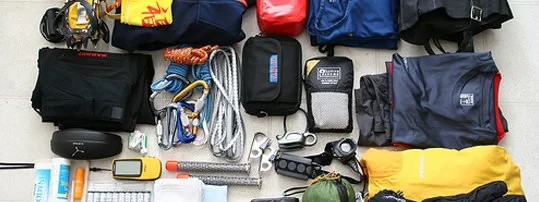
Planning a trip to the Land of the Thunder Dragon comes with one question almost every traveler asks us first: what actually belongs in a Bhutan packing list? This guide, built from years of guiding travelers through Paro, Thimphu, Punakha, and the high mountain passes, breaks down exactly what to pack for Bhutan trip departures in every season, at every altitude, and for every kind of itinerary. Whether you’re joining a gentle cultural circuit or heading into the Himalayas on a multi-day trek, a well-planned Bhutan packing list is the difference between a trip that flows and one spent shivering, sunburned, or scrambling for a missing document.
Authentic Bhutan Tours has helped hundreds of international travelers prepare for this journey, and the single biggest mistake we see is treating Bhutan like a single climate. It isn’t. You can stand in subtropical warmth near the southern border in the morning and be wrapped in a down jacket at a 3,800-metre pass by afternoon. That kind of variation is exactly why a thoughtful Bhutan packing list matters more here than almost anywhere else in Asia.
Why Bhutan Requires a Different Kind of Packing Strategy
Most countries have one climate story. Bhutan has several, layered on top of each other by elevation. The southern foothills near Phuentsholing sit barely 300 metres above sea level and feel almost tropical, while high mountain passes climb past 3,900 metres and stay cold even in summer. As a rough rule, temperatures drop by roughly 5°C for every 1,000 metres you climb, which means a single day of driving can take you through three distinct climates.
This is the core logic behind every good Bhutan packing list: you are not packing for one destination, you are packing for a vertical journey. Thimphu and Paro, where most visitors spend their first and last nights, sit above 2,200 metres and stay cool year-round, with genuinely cold mornings and evenings even in the warmer months. Punakha and Wangdue, lower and further east, are noticeably milder. If your route includes Phobjikha Valley or a high pass like Chele La, pack as though you’re heading into winter regardless of the season back home.
What to Pack for Bhutan Trip: The Core Clothing List
Layering is the single most important principle behind any Bhutan clothing guide, and it’s the foundation of this Bhutan packing list. Rather than one heavy coat, bring several lighter layers you can add or remove throughout the day as you move between valleys, dzongs, and mountain passes.
Base layers: Lightweight, moisture-wicking t-shirts and long-sleeve tops (pack four to six). Merino wool or synthetic blends dry faster than cotton and handle both warm afternoons and chilly mornings.
Mid layers: A fleece or light sweater for cool evenings in Thimphu and Paro, plus a warmer fleece or down vest if you’re visiting between November and February.
Outer layer: A packable down jacket for winter travel, or a lighter insulated jacket for spring and autumn. A waterproof, windproof shell is essential year-round, since mountain weather shifts quickly and monsoon showers (June to September) can appear with little warning.
Bottoms: Comfortable trousers that you can wear for both walking and dzong visits, plus a warmer pair or thermal leggings if traveling in winter. Jeans are fine for travel days but dry slowly if they get wet.
Sleepwear and casual wear: A few comfortable evening outfits, since hotel lounges and lodges are relaxed but appreciate modest dress.
Any Bhutan travel checklist worth following will also remind you to bring at least one set of smart-casual clothing for special dinners, cultural performances, or festival days, where locals themselves dress with real pride and care.
Dzong and Temple Dress Code: The Non-Negotiable Part of This Bhutan Packing List
Bhutan’s dzongs (fortress-monasteries) and temples are active religious and administrative sites, not museums, and dress expectations are taken seriously. Shoulders and knees should be covered at all times inside these buildings, for travelers of every gender. Long trousers or long skirts, paired with a collared shirt or long-sleeve top, work well. Sandals and shorts are not appropriate here, so pack at least two outfits specifically for these visits.
Your guide will typically carry the ceremonial scarf (kabney) required for certain restricted areas, so this is one item you don’t need to source yourself. What you do need is footwear that slips on and off easily, since shoes come off before entering most temples, dzongs, and traditional homes.
Footwear: Getting This Part of Your Bhutan Packing List Right
Footwear mistakes ruin more Bhutan trips than almost any other packing decision. For general sightseeing across Paro, Thimphu, and Punakha, bring comfortable, broken-in walking shoes with good grip, since cobblestones and monastery steps are uneven and can be slippery after rain. Slip-on shoes make repeated temple visits far less tedious than lace-up boots.
If your itinerary includes the Tiger’s Nest hike or any multi-day trekking route like the Druk Path or Jomolhari Trek, waterproof trekking boots with ankle support are essential, not optional. Break them in well before you travel; new boots on a steep mountain trail are a fast route to blisters. A lightweight pair of sandals or camp shoes is worth packing too, for evenings after a long day on the trail.
Trekking Gear: The Extended Bhutan Trekking Packing Guide
If a multi-day trek is part of your itinerary, your packing needs expand considerably. Most operators, including Authentic Bhutan Tours, work with a 15-kilogram limit for the duffel bag your porter or mule will carry, so a second layer of planning applies here beyond the standard Bhutan packing list.
Bring a 25 to 35-litre daypack for water, snacks, camera gear, and layers you’ll need during the day. Trekking poles reduce strain considerably on the steep, uneven descents common on Bhutanese trails. A good sleeping bag rated for near-freezing temperatures is essential if your trek climbs above 3,500 metres, along with a basic first-aid kit covering blister treatment, altitude-sickness medication, and any personal prescriptions. Headlamps, a portable power bank, and a reusable water bottle with a filter or purification tablets round out the trekking-specific additions to your gear list.
Documents, Money, and Practical Essentials
No Bhutan travel checklist is complete without the paperwork that gets you into the country. Bring a passport valid for at least six months beyond your travel dates, printed visa clearance and travel insurance documents, and two or three passport-sized photos as backup. Bhutan remains largely a cash-based society outside major hotels, so bring some cash for markets, tips, and smaller purchases, along with a card for larger payments.
A universal power adapter, a portable charger, and a small dry bag for electronics are worth including, since power outlets vary and afternoon showers are common during the monsoon months. Sunscreen and sunglasses deserve a place near the top of your Bhutan packing list too; UV exposure at altitude is noticeably stronger than at sea level, even on cool or cloudy days.

Seasonal Adjustments to Your Bhutan Packing List
Spring (March–May): Mild days and cool mornings across most valleys. A light jacket, layered tops, and a rain shell for occasional afternoon showers cover most of this season.
Summer / Monsoon (June–September): Warm, humid, and rain-prone at lower elevations. A reliable rain jacket, quick-dry clothing, and waterproof footwear or shoe covers matter more here than heavy layers.
Autumn (October–November): Widely considered the best season for clear mountain views, but nights turn genuinely cold, especially in Thimphu, Paro, and higher passes. Bring a proper down layer.
Winter (December–February): Cold, clear, and quiet, with temperatures in Thimphu and Paro regularly dropping below freezing at night. A warm down jacket, thermal base layers, gloves, and a hat are essential additions to any winter Bhutan packing list.
Quick-Reference Bhutan Packing List Checklist
- Layered clothing: base, mid, and outer layers
- Two outfits suitable for dzong and temple visits (covered shoulders and knees)
- Broken-in walking shoes plus waterproof trekking boots if hiking
- Waterproof, windproof jacket and a warm layer for evenings
- Sun hat, sunglasses, and high-SPF sunscreen
- Reusable water bottle and any personal medication
- Universal adapter, power bank, and a dry bag for electronics
- Passport, visa documents, travel insurance, and cash
- Daypack, trekking poles, and a first-aid kit for trekking itineraries
- Modest casual wear for evenings and festival days
What NOT to Include in Your Bhutan Packing List
A good Bhutan packing list is as much about restraint as it is about preparation. Skip the heavy hiking boots if your trip is a cultural circuit with no trekking days; comfortable walking shoes will serve you better and save valuable luggage weight. Leave expensive jewelry and non-essential valuables at home, since there is little reason to carry them through monasteries, markets, or mountain trails. Bulky cotton clothing is another common mistake — cotton takes far longer to dry after rain or hand-washing than moisture-wicking synthetics or merino wool, which matters on longer itineraries where laundry options are limited.
Oversized suitcases are also worth avoiding if any part of your route includes a trek, since porters and pack animals work with duffel-style bags rather than hard-shell cases. A single well-packed duffel, paired with a smaller daypack, covers almost every itinerary Authentic Bhutan Tours arranges for travelers.
Packing List by Trip Type
Not every visitor needs the same version of this Bhutan packing list. A short cultural tour through Paro, Thimphu, and Punakha calls for comfortable layers, one or two dzong-appropriate outfits, and sturdy walking shoes, with no specialized trekking gear required. A combined cultural-and-trekking itinerary, such as a Tiger’s Nest hike followed by a few nights on the Druk Path, needs the additional boots, poles, and cold-weather layers described above. Longer expedition-style treks like Jomolhari or Snowman demand the fullest version of this packing list, including a four-season sleeping bag, altitude medication, and extra thermal layers, since nights on these routes regularly fall well below freezing.
Matching your Bhutan packing list to your actual itinerary, rather than packing for every possible scenario, keeps your luggage manageable and your travel days easier.

Frequently Asked Questions
Do I need special clothing to enter a dzong in Bhutan? Yes. Shoulders and knees must be covered, so long trousers or skirts and a collared or long-sleeve top are required for anyone visiting a dzong or temple.
How cold does it get in Bhutan at night? In Thimphu and Paro, nighttime temperatures can drop below freezing in winter, while spring and autumn evenings are cool rather than cold. Layering is the safest strategy in any Bhutan packing list.
Can I rent trekking gear in Bhutan instead of bringing my own? Some items like tents and cooking equipment are usually provided by trekking operators, but personal gear such as broken-in boots, a good sleeping bag, and moisture-wicking clothing should be brought from home.
Is Bhutan a cash-based destination? Yes, largely. Cards are accepted at bigger hotels, but cash is important for local markets, tips, and smaller towns, so factor this into your travel checklist.
How many days before departure should I finalize my Bhutan packing list? Aim to have your gear sorted at least two weeks before departure, especially if you need to break in new trekking boots or order any cold-weather layers. This gives you enough time to test everything, from waterproof shells to daypacks, before you’re relying on it in the mountains.
Final Thoughts
A well-organized Bhutan packing list is one of the simplest ways to protect the quality of a trip that, for most travelers, happens only once. Between the altitude swings, the dzong dress code, and the shift from cultural sightseeing to mountain trekking, packing here rewards a little extra planning far more than most destinations do. At Authentic Bhutan Tours, we build this Bhutan packing list guidance into every pre-departure conversation with our travelers, because the right gear, worn in the right layers, is what lets you focus on the dzongs, the valleys, and the mountains in front of you instead of the weather. If you’re ready to start planning your itinerary, the team at Authentic Bhutan Tours is here to help you build a trip that matches exactly how you want to experience the kingdom.

