
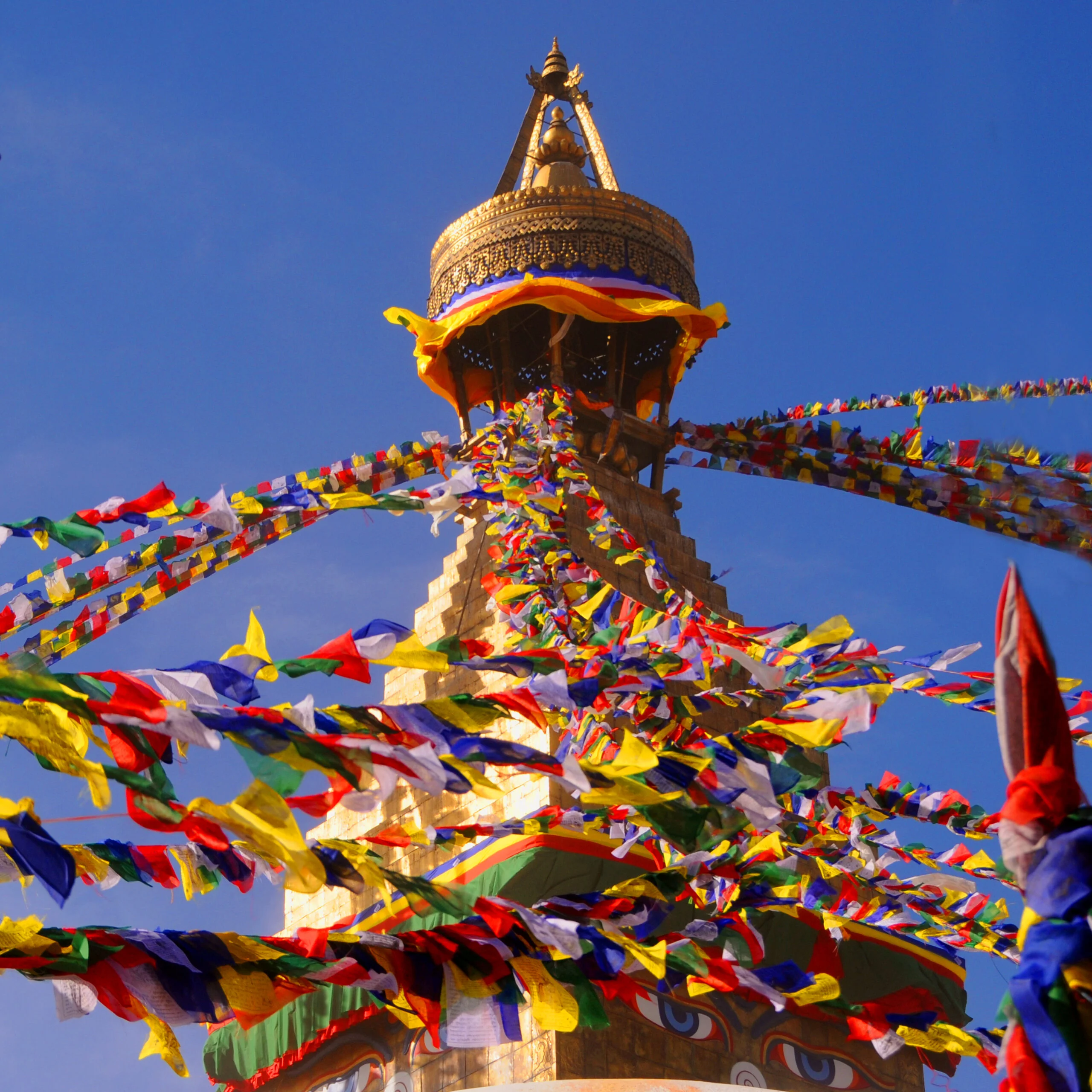
Choosing between Bhutan vs Nepal tours is one of the hardest calls in Himalayan travel planning, because both kingdoms sit on the same mountain range yet deliver completely different journeys. If you are weighing Bhutan vs Nepal tours for your 2026 trip, this guide breaks down cost, culture, trekking, visas, and travel style so you can book with total confidence through Authentic Bhutan Tours.
Bhutan vs Nepal Tours: Cost Comparison Explained
Cost is usually the first thing travelers compare when researching Bhutan vs Nepal tours, and the two countries could not be more different. Nepal is one of the most affordable trekking destinations on earth. A budget traveler can find a teahouse bed, a plate of dal bhat, and a bus ticket for a fraction of what a single day in Bhutan costs. Independent trekking, open borders, and a huge range of guesthouses mean Nepal welcomes every budget, from backpackers to five-star lodge guests.
Bhutan works on a completely different model. Every international visitor pays a Sustainable Development Fee, currently set at 100 US dollars per person per night through August 2027, on top of a tour package rate and a one-time visa fee. This is exactly why Bhutan vs Nepal tours comparisons so often come down to a simple question: do you want maximum value on a shoestring, or a curated, all-inclusive experience where your guide, transport, meals, and permits are handled from the moment you land?
When people ask “Bhutan or Nepal which is better” purely on price, Nepal usually wins. Trekking permits alone in Nepal, such as the Annapurna Conservation Area Permit and TIMS card, typically add up to under forty US dollars total for an entire trek. Compare that to Bhutan, where the nightly fee alone can outweigh several days of Nepal travel. Yet the Bhutan Nepal travel comparison isn’t only about who is cheaper. Bhutan’s fee funds free healthcare, free education, and the country’s carbon-negative conservation program, so every traveler is directly contributing to the kingdom’s future rather than simply paying for a hotel room.
Bhutan or Nepal Which Is Better for Culture and Scenery
Culturally, Bhutan and Nepal could not feel more distinct. Bhutan is a devout Buddhist kingdom where religion, architecture, festivals, and daily life are tightly woven together. Dzongs, monasteries, and prayer flags define nearly every valley, and the government’s “high value, low impact” tourism policy keeps visitor numbers controlled so that sites never feel overcrowded. Nepal, by contrast, is a vibrant blend of Hindu and Buddhist traditions, with a much wider spread of ethnic groups, languages, and regional customs. Kathmandu’s temple squares sit alongside bustling markets, and the cultural texture changes dramatically from the lowlands to the high Himalaya.
Anyone doing a serious Bhutan Nepal travel comparison for culture alone will notice that Bhutan feels curated and preserved, almost frozen in a good way, while Nepal feels layered, chaotic, and endlessly varied. Neither approach is wrong. Bhutan suits travelers who want depth over breadth, while Nepal rewards those who enjoy discovering something new around every corner.
Scenery follows a similar pattern. Bhutan’s forested hillsides, sacred cliffside monasteries, and pristine river valleys reflect strict environmental protections, including a constitutional mandate to maintain a high percentage of forest cover. Nepal’s landscapes swing from subtropical jungle in the south to the tallest peaks on the planet in the north, giving it far more dramatic range but also more visible development and traffic along the way.
Bhutan vs Nepal Tours: Trekking Difference and Trail Options
The Bhutan Nepal trekking difference is one of the most important factors in any Bhutan vs Nepal tours decision, especially for hikers. Nepal is the trekking capital of the Himalaya. Everest Base Camp, the Annapurna Circuit, Annapurna Base Camp, Langtang, and Manaslu offer everything from gentle teahouse walks to serious high-altitude mountaineering. Trails are well established, permits are inexpensive, and infrastructure like teahouses and lodges exists at nearly every stage of the journey.
Bhutan takes a lighter-touch approach to trekking. Routes such as the Druk Path Trek between Paro and Thimphu offer short, scenic multi-day hikes, while the demanding Snowman Trek is considered one of the most difficult treks in the world. Bhutan deliberately limits the number of trekking routes and campsites to protect its wilderness, so hikers get fewer options but far less crowding. For travelers specifically chasing a serious Himalayan tour Bhutan vs Nepal challenge, Nepal wins on sheer variety and altitude records, while Bhutan wins on solitude, air quality, and a genuinely wild trail experience.
If a Bhutan Nepal trekking difference matters most to your trip, ask yourself whether you want an iconic bucket-list trek with fellow trekkers from around the world, or a quieter, guided walk through forests and dzongs with barely another tourist in sight.
Visa, Access, and Getting There
Access is another major factor in any Bhutan vs Nepal tours discussion. Nepal issues visas on arrival to most nationalities at Tribhuvan International Airport in Kathmandu, and travelers can move around independently without a guide in most regions. Bhutan requires every visitor to book through a licensed tour operator before a visa is issued, and independent travel is not permitted. Flights into Paro International Airport are limited to a small number of carriers, and the approach through the mountains is itself a memorable part of the journey.
This difference shapes the entire trip. Nepal rewards spontaneous, flexible travelers who want to change plans on the fly. Bhutan rewards travelers who prefer a fully organized, worry-free itinerary where a guide, driver, and every logistical detail are arranged before departure. For many first-time visitors, this structure is actually a relief rather than a limitation, since it removes the guesswork from a Himalayan trip.
Bhutan vs Nepal Tours: Which Fits Your Travel Style
There is no universal answer to Bhutan vs Nepal tours because the two destinations serve different kinds of travelers. Choose Nepal if you want budget flexibility, iconic long-distance treks, independent travel, and a country with an enormous range of activities from rafting to mountaineering. Choose Bhutan if you want a peaceful, curated, culturally immersive trip with guaranteed quality, exclusivity, and the satisfaction of supporting a nation that reinvests tourism revenue directly into its people.
Couples and honeymooners frequently favor Bhutan for its intimacy and scenery, while serious trekkers and backpackers gravitate toward Nepal for its trail network and affordability. Families researching a Bhutan Nepal travel comparison often find Bhutan easier to manage because everything, from meals to transport, is arranged in advance. Adventure travelers chasing altitude records or long point-to-point treks tend to choose Nepal first and consider Bhutan as an add-on.
It’s also worth noting that many travelers do not have to choose only one. Paro and Kathmandu are a short flight apart, and a growing number of itineraries now combine both kingdoms into a single Himalayan journey, pairing Nepal’s trekking with Bhutan’s cultural depth.
For travelers who are still undecided, it helps to think about Bhutan vs Nepal tours in terms of what you want to feel at the end of the trip. Nepal tends to leave travelers with stories of physical achievement, spontaneous friendships on the trail, and the thrill of standing beneath the world’s highest peaks. Bhutan tends to leave travelers with a sense of calm, a deeper understanding of Gross National Happiness as a national philosophy, and memories of dzongs and monasteries that felt untouched by mass tourism. Both outcomes are valuable, and neither is better than the other in any absolute sense.
What a Typical Bhutan vs Nepal Tours Itinerary Looks Like
To make the Bhutan vs Nepal tours comparison more concrete, it helps to look at what an actual week-long itinerary involves in each country. A classic Bhutan cultural tour typically covers Paro, Thimphu, and Punakha over five to seven days, blending dzong visits, local markets, farmhouse lunches, and the iconic Tiger’s Nest Monastery hike near the end of the trip. Every night, every meal, and every transfer is pre-arranged, so travelers move through the itinerary without needing to make a single logistical decision.
A comparable Nepal itinerary might combine three or four days in the Kathmandu Valley with a short trek in the Annapurna or Langtang region, giving travelers a taste of both culture and altitude in a single trip. Because Nepal allows independent movement, travelers can extend, shorten, or completely rework their plans on the ground, something that is simply not possible on a Bhutan tour once the visa and Sustainable Development Fee have been processed for a fixed set of dates.
Food, Accommodation, and Daily Comfort
Daily comfort is another quiet factor in most Bhutan vs Nepal tours decisions. In Bhutan, hotels and lodges are standardized by the government, so even budget travelers stay in clean, three-star-plus accommodation with hot showers, reliable heating, and home-style Bhutanese meals featuring red rice, ema datshi, and fresh mountain vegetables. Because every Bhutan itinerary is arranged through a licensed operator, comfort levels rarely vary from what was promised.
Nepal offers a much wider range, from basic teahouses on high-altitude trekking routes to five-star hotels in Kathmandu and Pokhara. Trekkers on classic routes should expect simple rooms, shared bathrooms, and thinner walls the higher they climb, while city stays can be as luxurious as anywhere in Asia. For travelers comparing Bhutan vs Nepal tours specifically on comfort, Bhutan offers more consistency, while Nepal offers more range and more control over your own budget.
Best Time to Plan Bhutan vs Nepal Tours
Timing matters just as much as destination when comparing Bhutan vs Nepal tours. Bhutan’s peak seasons fall in spring, from March to May, and autumn, from September to November, when clear skies frame the Himalayas and major festivals such as Paro Tshechu draw crowds of pilgrims and photographers. Nepal shares similar peak windows for the same reason, with autumn considered the classic trekking season for Everest and Annapurna, and spring bringing rhododendron blooms across the mid-hills.
Because Bhutan tightly manages daily visitor numbers through its Sustainable Development Fee model, popular sites rarely feel overcrowded even in peak season. Nepal’s high season, on the other hand, can mean crowded teahouses and busy trails on the most iconic routes, so travelers who value solitude may prefer Nepal’s shoulder seasons instead. Whichever kingdom you choose, booking your Bhutan vs Nepal tours itinerary several months ahead of peak season secures better flights, better lodges, and better guides.
Bhutan vs Nepal Tours: Frequently Asked Questions
Is Bhutan or Nepal better for first-time Himalayan travelers?
Bhutan is often easier for first-timers because every detail, from the guide to the hotel to the Sustainable Development Fee, is arranged in advance. Nepal rewards travelers who are comfortable planning more independently.
Which is cheaper, Bhutan or Nepal?
Nepal is significantly cheaper for most travel styles, from backpacking to mid-range trekking. Bhutan’s nightly Sustainable Development Fee makes it a premium destination by design.
Can I combine Bhutan and Nepal tours in one trip?
Yes. Paro and Kathmandu are only a short flight apart, and many travelers now combine both kingdoms into a single Himalayan itinerary rather than choosing only one.
Which country has better trekking, Bhutan or Nepal?
Nepal has far more trekking routes and higher-altitude options, including Everest Base Camp and the Annapurna Circuit. Bhutan offers fewer routes but a quieter, less crowded trail experience.
Final Verdict: Bhutan vs Nepal Tours in 2026
So, Bhutan or Nepal which is better for your 2026 trip? If your priority is affordability, independent trekking, and variety, Nepal is the stronger match. If your priority is a peaceful, high-value, low-impact experience with unmatched cultural authenticity, Bhutan is the clear choice. Whichever direction you lean, understanding the real Bhutan Nepal trekking difference, the cost structure, and the visa requirements before you book will save you time, money, and disappointment.
At Authentic Bhutan Tours, we specialize in building fully customized Bhutan itineraries for travelers who have already weighed their Bhutan vs Nepal tours options and are ready for an unforgettable, expertly guided journey through the Land of the Thunder Dragon. Whether you want a short cultural escape to Paro and Thimphu or a longer trip that includes the Tiger’s Nest Monastery hike, our team handles your visa, Sustainable Development Fee, guide, and itinerary from start to finish, so all you have to do is arrive and experience Bhutan vs Nepal tours planning done right, with Authentic Bhutan Tours by your side.

